Tree care guide from Little Rock, phones answered 24/7
The best trees to plant in Little Rock, and the ones to skip
We take down a lot of trees that should never have been planted where they were. Choosing the right tree for the spot is the cheapest tree work you will ever do.
By Merle Shackelford, Tree Care Guides Editor · Updated October 2026
Short answer
For shade in Little Rock, long-lived native oaks such as willow, Shumard and white oak are hard to beat, with red maple, black gum and bald cypress as good alternatives. For small spaces, redbud and dogwood. Skip Bradford pears, which extension guidance calls invasive and short-lived, and avoid new ash plantings while emerald ash borer is in the state. Whatever you plant, give it room to reach full size away from the house and lines.
Start with the space, not the tree
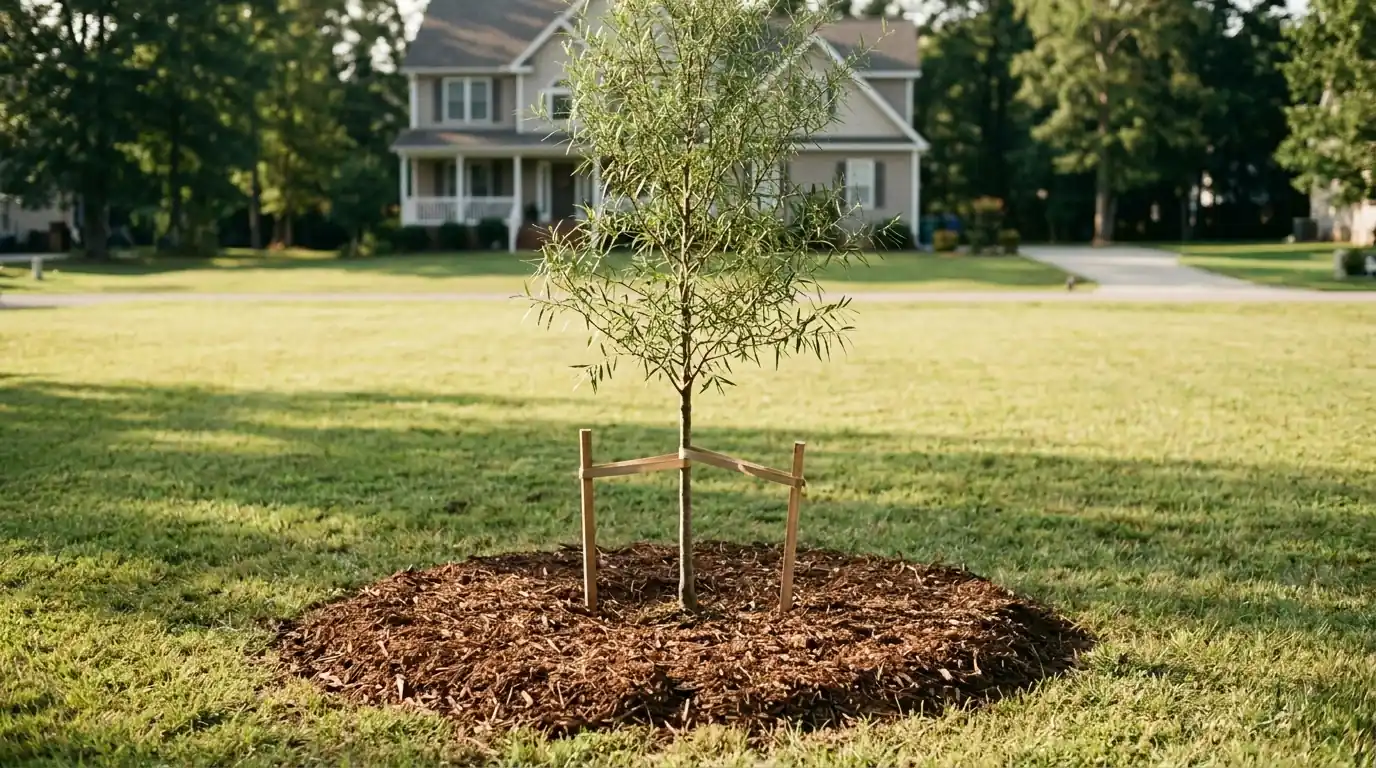
Before choosing a species, look at how much room the tree will have when it is grown. A shade oak may spread 60 feet or more and should be planted well away from the house, the drive and overhead lines. Small flowering trees fit near patios and in front beds. Most of the removals we do near houses are trees that were planted as cute saplings three feet from the foundation.
Shade trees that do well here
Willow oak and Shumard oak grow at a good pace for oaks, tolerate city conditions, and live a long time. White oak is slower but one of the strongest, longest-lived trees you can plant. Red maple gives fall color and moderate growth, and is stronger than silver maple. Black gum has excellent fall color and few problems. Bald cypress handles wet spots and heavy clay better than most.
Smaller trees for tight spots
Eastern redbud and flowering dogwood are natives that fit small yards and bloom in spring. Southern magnolia is evergreen and grand but grows large, so give it room. For a narrow evergreen screen, native options are worth asking about before reaching for whatever the big-box store has the most of.
Questions about a tree in Little Rock? The crew line is answered around the clock.
Call (501) 439-8373Trees we would skip
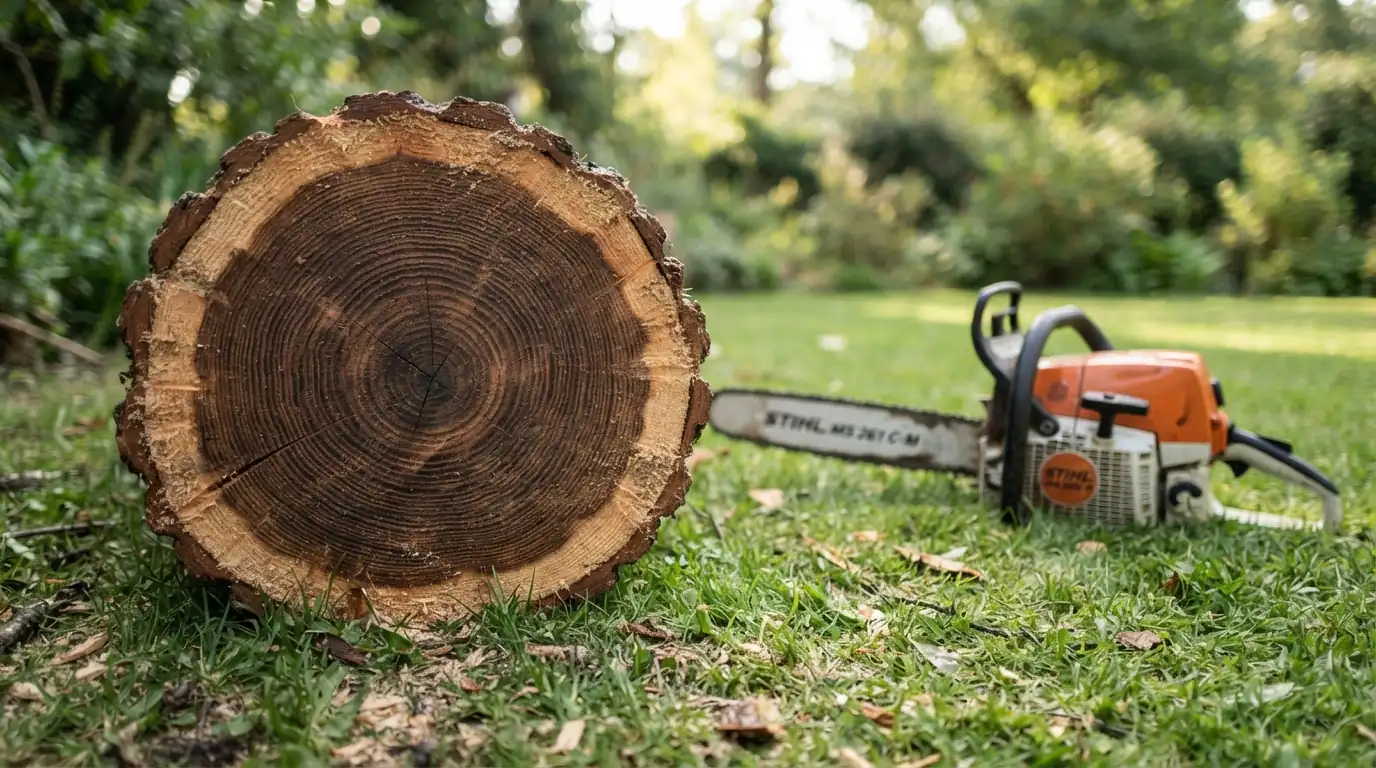
Bradford and other Callery pears: University of Arkansas extension calls them invasive in the state, says they do not weather well over time, and advises against replacing a lost one with another ornamental pear. They are among the trees we remove most after spring storms.
Ash: emerald ash borer has been in Arkansas since 2014 and the whole state is under quarantine, so planting new ash is a poor bet. Silver maple grows fast but is brittle and splits. Sweetgum is a sound tree but a poor choice over patios, pools and walks because of its gumballs.
Planting it right
Plant at the depth the tree grew in the nursery, with the root flare at or slightly above the soil, in a hole two to three times as wide as the root ball. Keep mulch in a wide flat ring, pulled back from the trunk. Water deeply through the first two summers. Before digging, contact Arkansas One Call at 811.
When to plant
Fall through early spring is the best planting window in central Arkansas. Roots grow in the cool months while the tree is not supporting leaves, so it goes into its first summer better established.
Related services
Services this guide touches on
Tree Planting
Shade Tree Planting and more.
Tree PlantingBradford Pear Removal
Split and Storm-Broken Pears and more.
Bradford Pear RemovalYoung Tree Structural Pruning
Choosing a Central Leader and more.
See how young tree structural pruning works
Straight answers
Questions readers ask
Native oaks such as willow, Shumard and white oak are among the best long-term choices.
No. Extension guidance calls Callery pears invasive in Arkansas and short-lived.
Not while emerald ash borer is in the state.
Enough for its full mature spread, often 20 feet or more for large trees.
Fall through early spring.
Redbud and dogwood are good native choices for small spaces.
Arkansas asks that Arkansas One Call be contacted at 811 before digging.
Replacing a tree you lost?
Call any hour. We can remove the old one and plant the right tree in the right spot.